
Coverage Guide
Florida Flood Insurance
Flood damage is the most common — and most costly — natural disaster in Florida. Here's what you need to know to protect your home and family.
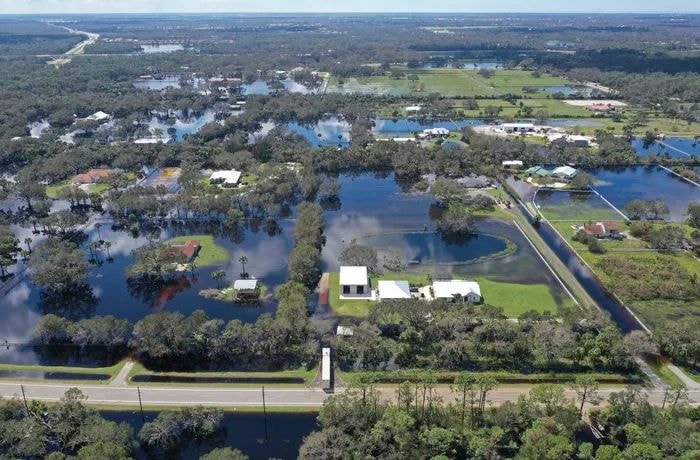
Cape Coral flooding from Hurricane Ian
This is why flood insurance matters — standard homeowners policies don't cover this.
Why Florida Homeowners Need Flood Coverage
Most people find out too late that their homeowners policy doesn't cover flood damage. Don't be caught off guard.
Standard home policies don't cover floods
This is the most common misconception in Florida. Water damage from a storm surge, overflowing river, or heavy rainfall is explicitly excluded from standard homeowners insurance. You need a separate flood policy.
Southwest Florida is high-risk flood territory
Cape Coral and Lee County sit in FEMA-designated flood zones. Even a few inches of water inside your home can cause tens of thousands of dollars in damage to floors, walls, appliances, and belongings.
Mortgage lenders may require it
If your home is in a Special Flood Hazard Area (SFHA), your lender is required by law to mandate flood insurance. But even outside those zones, coverage is strongly recommended.
There's a 30-day waiting period
NFIP flood policies generally have a 30-day waiting period before coverage takes effect, although certain exceptions apply. Private flood insurance waiting periods vary by carrier. Don't wait until a storm is forming to review your options.
NFIP vs. Private Flood Insurance
There are two main types of flood insurance available to Florida homeowners. I'll help you compare both and find the right fit.
NFIP (National Flood Insurance Program)
- Backed by the federal government
- Building coverage up to $250,000
- Contents coverage up to $100,000
- Available in most flood-prone communities
- Standardized pricing — no shopping around
Private Flood Insurance
- Higher coverage limits available
- Often faster claims processing
- May include additional living expenses
- Can be more competitively priced
- More flexible policy options
As an independent agency, I compare NFIP and available private flood options to help you find coverage that fits your property, needs, and budget.
Common Questions
Do I need flood insurance if I'm not in a flood zone?
Yes. Flooding can happen outside FEMA-designated high-risk flood areas. In fact, FEMA has reported that more than 25% of NFIP flood claims nationwide are filed by policyholders outside high-risk areas. Your flood zone is an important part of understanding your risk, but it doesn't mean flooding can't occur outside a high-risk zone.
What does flood insurance actually cover?
A standard flood policy covers structural damage to your home (foundation, walls, electrical, plumbing, HVAC) and your personal belongings. It does not cover temporary housing, landscaping, or vehicles — those require separate coverage.
How much does flood insurance cost in Florida?
Flood insurance premiums can vary significantly from one property to another. Factors may include the property's location and proximity to flood sources, elevation and first-floor height, foundation type, replacement cost, coverage limits, deductibles, and other property-specific characteristics. Your FEMA flood zone is important, but it does not by itself determine your premium. I'll help you compare NFIP and available private flood options for your specific property.
Can I get flood insurance if my home is in a high-risk flood zone?
Yes. Both NFIP and private flood insurance options may be available for homes in high-risk flood zones. Pricing is based on a number of property-specific factors, not simply the flood zone. An elevation certificate can provide valuable information about your property and may be helpful when evaluating coverage and pricing options.
Let's review your flood risk together.
I'll review your property's flood risk, explain your options, and help you find coverage that fits your needs.